4-Day Focus Split Exercise Guide
Goal: broader shoulders, wider lats, stronger upper chest, lean waist, and enough lower-body work to look athletic without draining recovery from the priority upper-body work.
Nippard-Based Rules For This Plan
- Prioritize exercises that load the muscle well in the stretched position.
- Use compounds early when they are technically demanding or systemically fatiguing.
- Use isolations to fill gaps: side delts, hamstrings, calves, arms, and abs.
- Progress by adding reps first, then load once you can own the top of the rep range.
- Keep most working sets around 0-2 reps in reserve, with safer machine/isolation movements closest to failure.
Weekly Layout
- Best: Mon Push, Tue Pull, Thu Lower, Sat Upper Specialization.
- Alternate: Mon Push, Wed Pull, Fri Lower, Sun Upper Specialization.
- Avoid placing Pull immediately after Upper Specialization if elbows or biceps feel irritated.
Day 1 - Push / V-taper upper chest + delts
| Exercise | Sets | Reps |
|---|---|---|
| Incline dumbbell press | 3 | 6-10 |
| Machine chest press | 2-3 | 8-12 |
| Cable lateral raise | 4 | 12-25 |
| Overhead cable triceps extension | 3 | 10-15 |
| Lean-in DB lateral raise | 2 optional | 15-25 |
| Cable crunch | 2 optional | 10-15 |
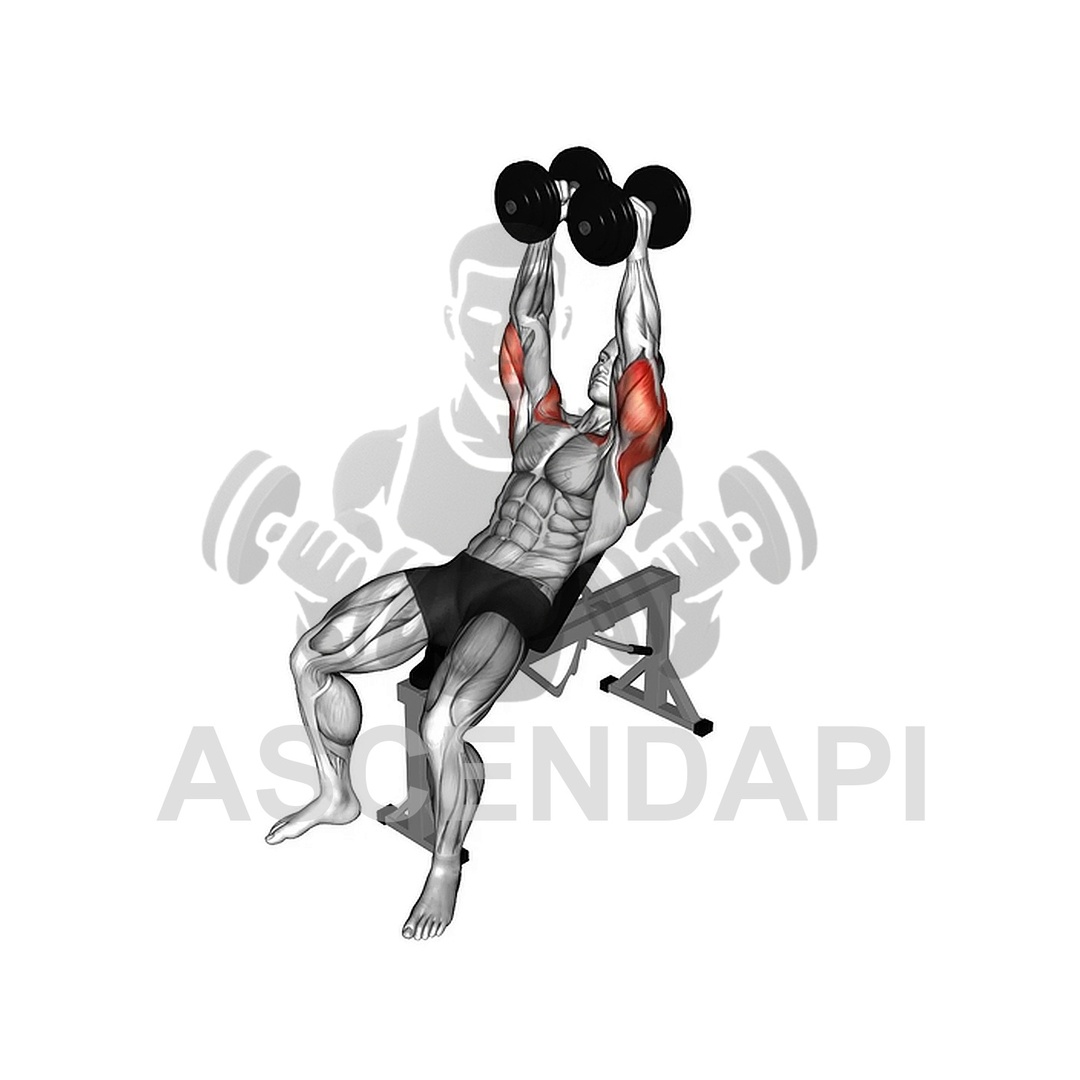
Incline dumbbell press

Purpose: Upper chest press with a deep pec stretch.
Quick tips:
- Set the bench around 30-45 degrees and keep shoulder blades pinned back.
- Lower until the dumbbells sit just outside the upper chest, then press up and slightly in.
- Stop 1-2 reps shy of failure on most sets; avoid turning this into a shoulder-dominant press.
Nippard cue: Nippard likes incline dumbbells as the chest backup because they allow a deep pec stretch and bias the upper pecs without losing mid/lower pec work.
Dataset match: dumbbell incline bench press | equipment: dumbbell | target: pectorals | media ID: ns0SIbU
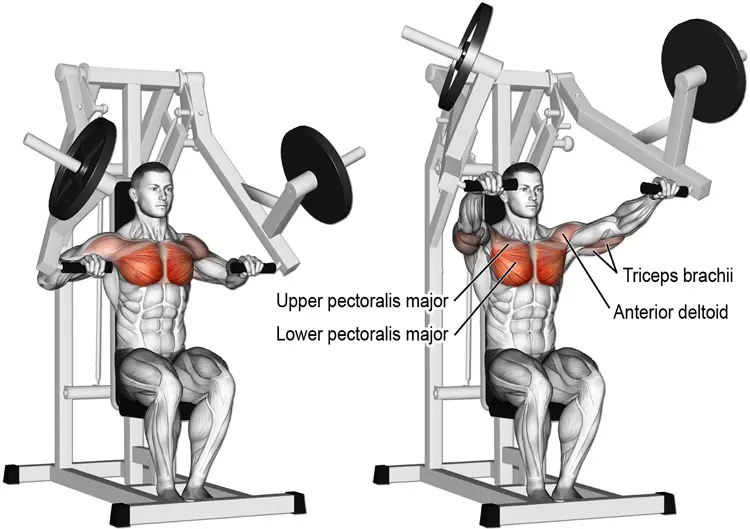
Machine chest press

Purpose: Stable chest overload with easy progression.
Quick tips:
- Set the seat so the handles track around mid-chest.
- Let the pecs stretch at the back without shrugging or letting shoulders roll forward.
- Use the fixed path to push close to failure safely, then add reps or load week to week.
Nippard cue: The machine press fits his criteria: high tension through the range, easy overload, strong mind-muscle connection, and safe hard sets.
Dataset match: lever chest press | equipment: leverage machine | target: pectorals | media ID: T0yTjgW
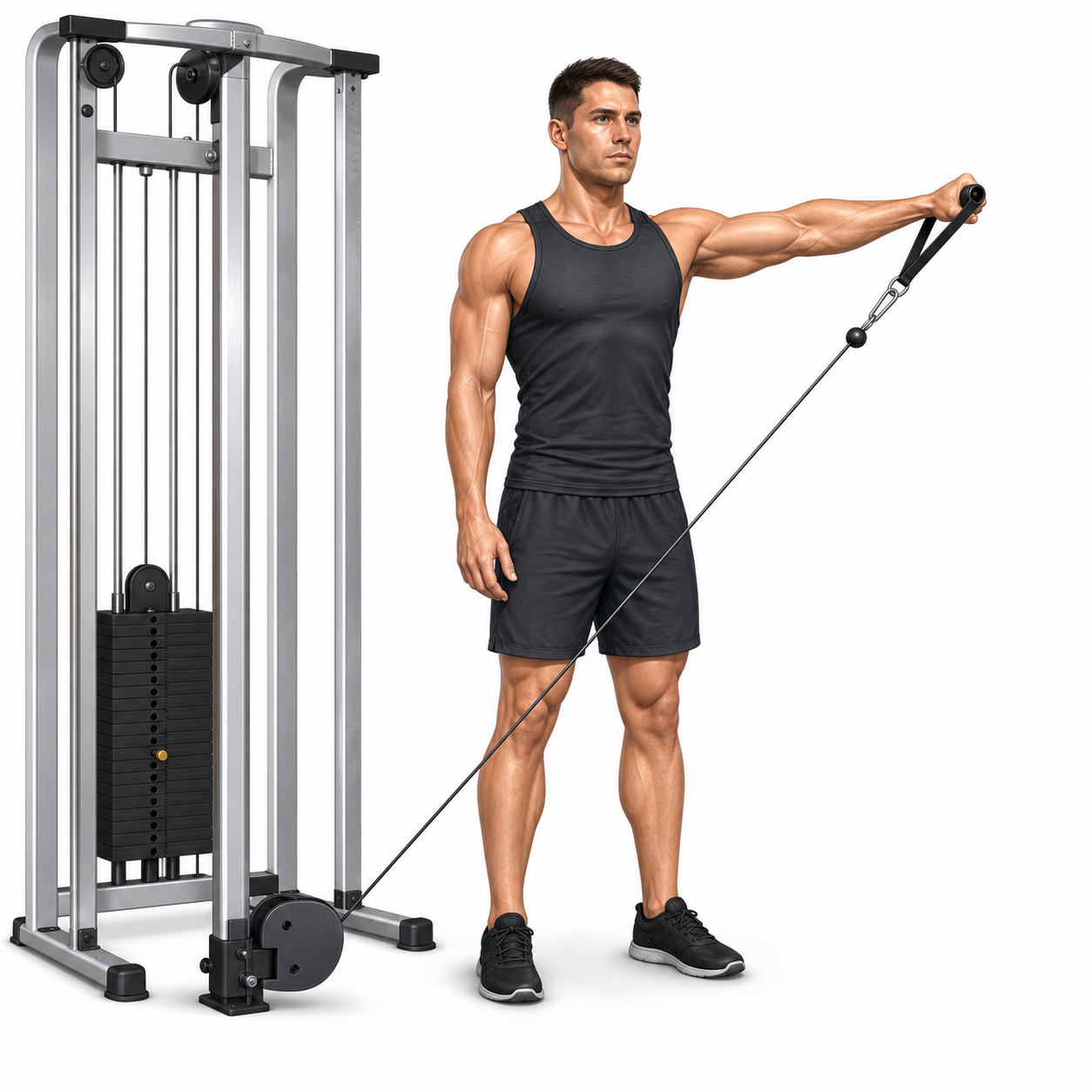
Cable lateral raise

Purpose: Side-delt priority work for shoulder width.
Quick tips:
- Set the pulley around hand to mid-thigh height so tension is high near the bottom.
- Lead with the elbow, raise slightly out and forward, and stop around shoulder height.
- Use controlled reps, high reps, and short pauses; a wrist cuff can reduce forearm distraction.
Nippard cue: This is his top shoulder pick because the cable keeps tension on the side delt in the stretched position.
Dataset match: cable lateral raise | equipment: cable | target: delts | media ID: goJ6ezq
Reference demo: MuscleWiki cable low single-arm lateral raise demo
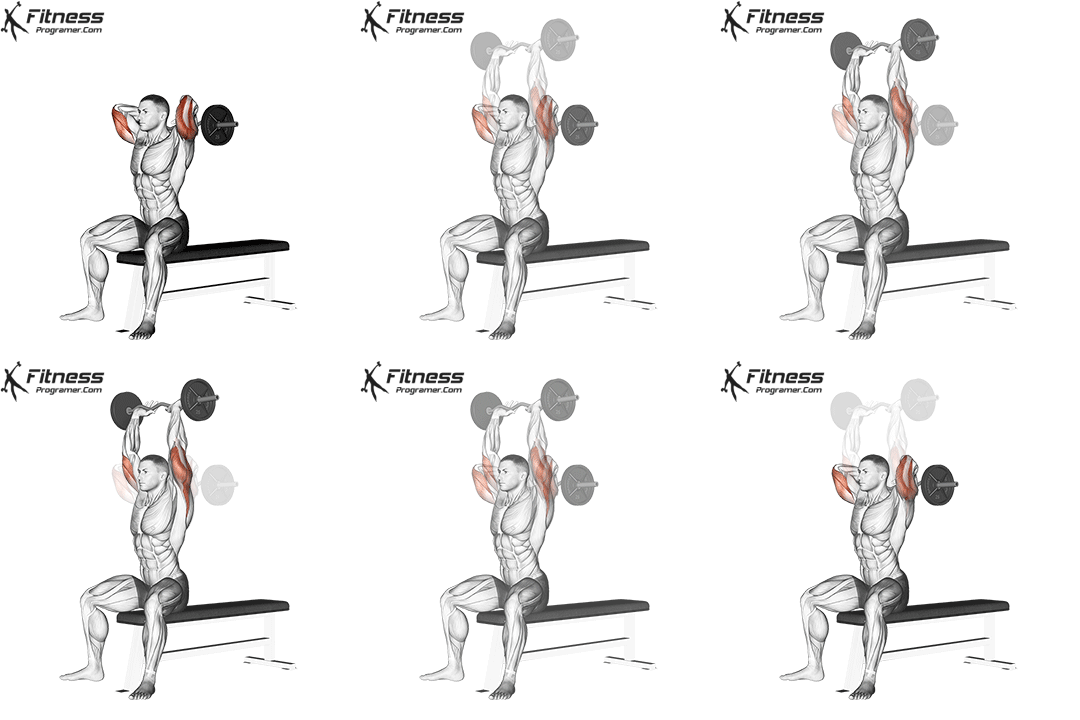
Overhead cable triceps extension

Purpose: Long-head triceps work in a stretched overhead position.
Quick tips:
- Face away from the stack, elbows high, ribs down, and upper arms mostly fixed.
- Let the hands travel behind the head for a strong stretch, then extend without flaring.
- Keep the load light enough that the elbows stay calm and the stretch stays controlled.
Nippard cue: His triceps choice is overhead cable extension because the overhead position heavily stretches the long head.
Dataset match: cable overhead triceps extension (rope attachment) | equipment: cable | target: triceps | media ID: 2IxROQ1
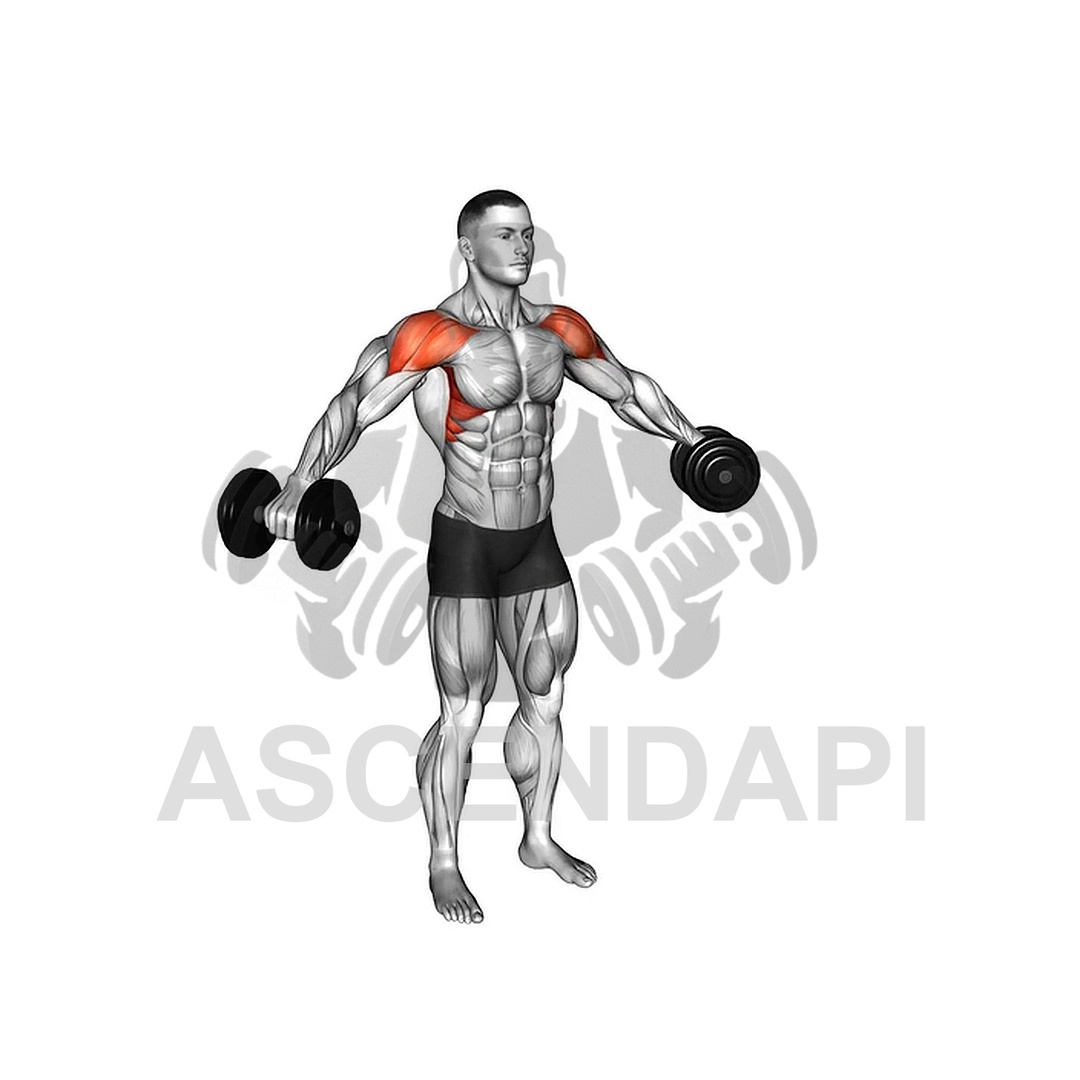
Lean-in DB lateral raise

Purpose: Cable lateral substitute that keeps tension earlier in the rep.
Quick tips:
- Hold a rack or incline bench and lean away from the working arm.
- Start each rep under control, raise to the side, and avoid swinging from the hips.
- Use this as a pump finisher after cable laterals, not as a heavy ego lift.
Nippard cue: His backup shoulder option is the lean-in dumbbell raise because leaning keeps more tension on the side delt through the movement.
Dataset match: dumbbell one arm lateral raise with support | equipment: dumbbell | target: delts | media ID: Yg7MJAT
Cable crunch
No reliable open-license media is available for this exact variation yet.
Purpose: Loaded rectus-abdominis work that can be progressed.
Quick tips:
- Kneel far enough from the stack to feel tension at the top.
- Think ribs toward pelvis; round the spine instead of pulling with the arms.
- Pause hard at the bottom and return slowly to keep tension on the abs.
Nippard cue: He favors cable crunches for abs because they are easy to overload and train both stretch and squeeze when done deliberately.
Dataset match: cable kneeling crunch | equipment: cable | target: abs | media ID: WW95auq
Day 2 - Pull / lats + mid-back + biceps
| Exercise | Sets | Reps |
|---|---|---|
| Neutral-grip close-grip pulldown | 3-4 | 8-12 |
| Chest-supported T-bar row | 3 | 8-12 |
| Neutral-grip pull-up | 2 | 6-10 |
| Bayesian cable curl | 3 | 10-15 |
| 45 degree DB preacher curl | 2 | 12-20 |
| Reverse curl | 2 optional | 12-20 |
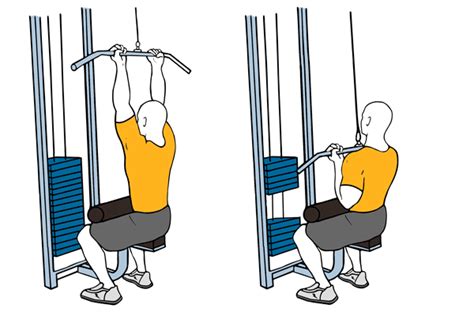
Neutral-grip close-grip pulldown

Purpose: Primary lat builder for the V-taper.
Quick tips:
- Use a close neutral attachment and start each rep with a full overhead stretch.
- Drive elbows down toward your ribs, not back behind you.
- Stay mostly upright; do not turn the bottom of the rep into a leaned-back row.
Nippard cue: His lat cue is to drive elbows down to keep emphasis on lats instead of drifting into mid-trap work.
Dataset match: twin handle parallel grip lat pulldown | equipment: cable | target: lats | media ID: rkg41Fb
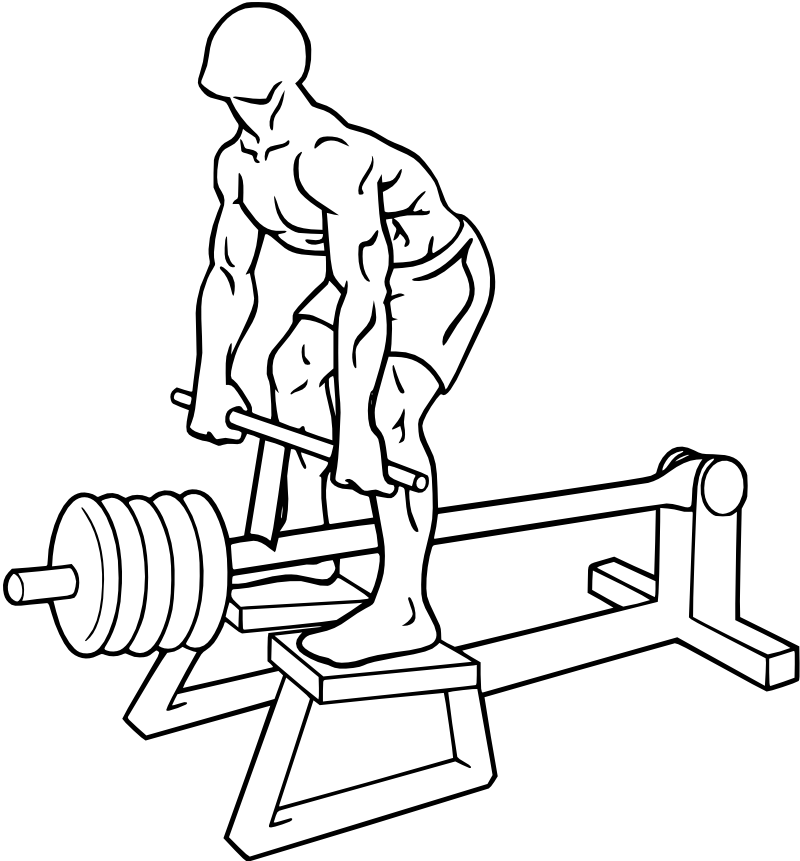
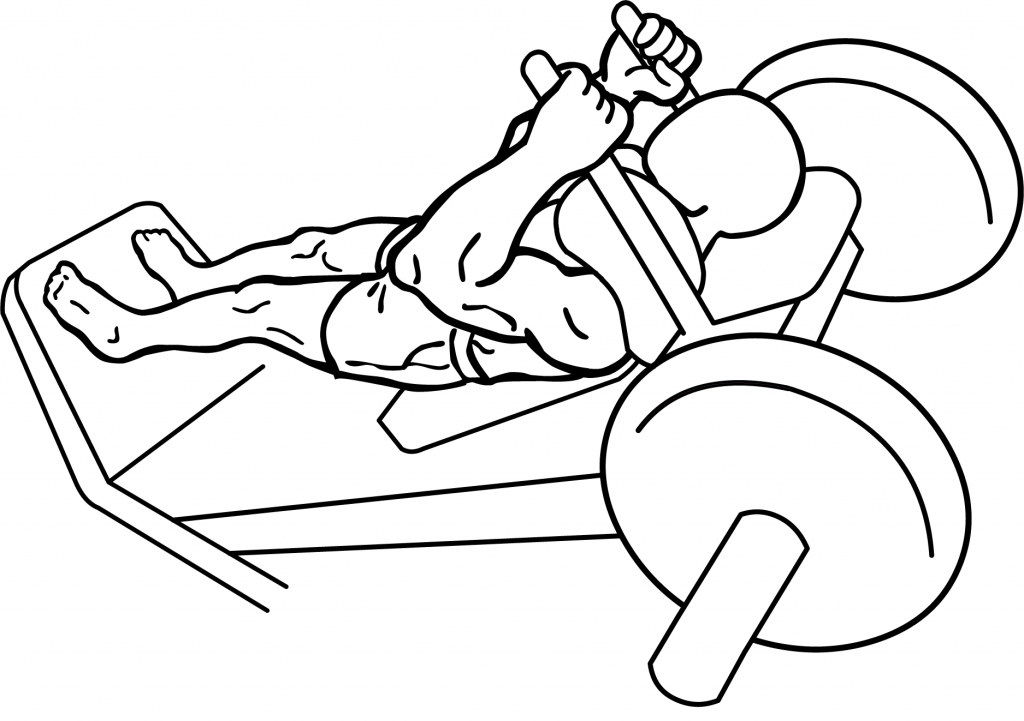
Chest-supported T-bar row

Purpose: Mid-back thickness without loading the lower back.
Quick tips:
- Set the chest pad so your torso is supported and your neck stays neutral.
- Pull elbows back and slightly out; squeeze shoulder blades without shrugging.
- Let the arms reach forward at the bottom while keeping the chest glued to the pad.
Nippard cue: This complements the lat work by adding stable upper-back volume without competing with RDL recovery.
Dataset match: lever t bar row | equipment: leverage machine | target: upper back | media ID: aaXr7ld
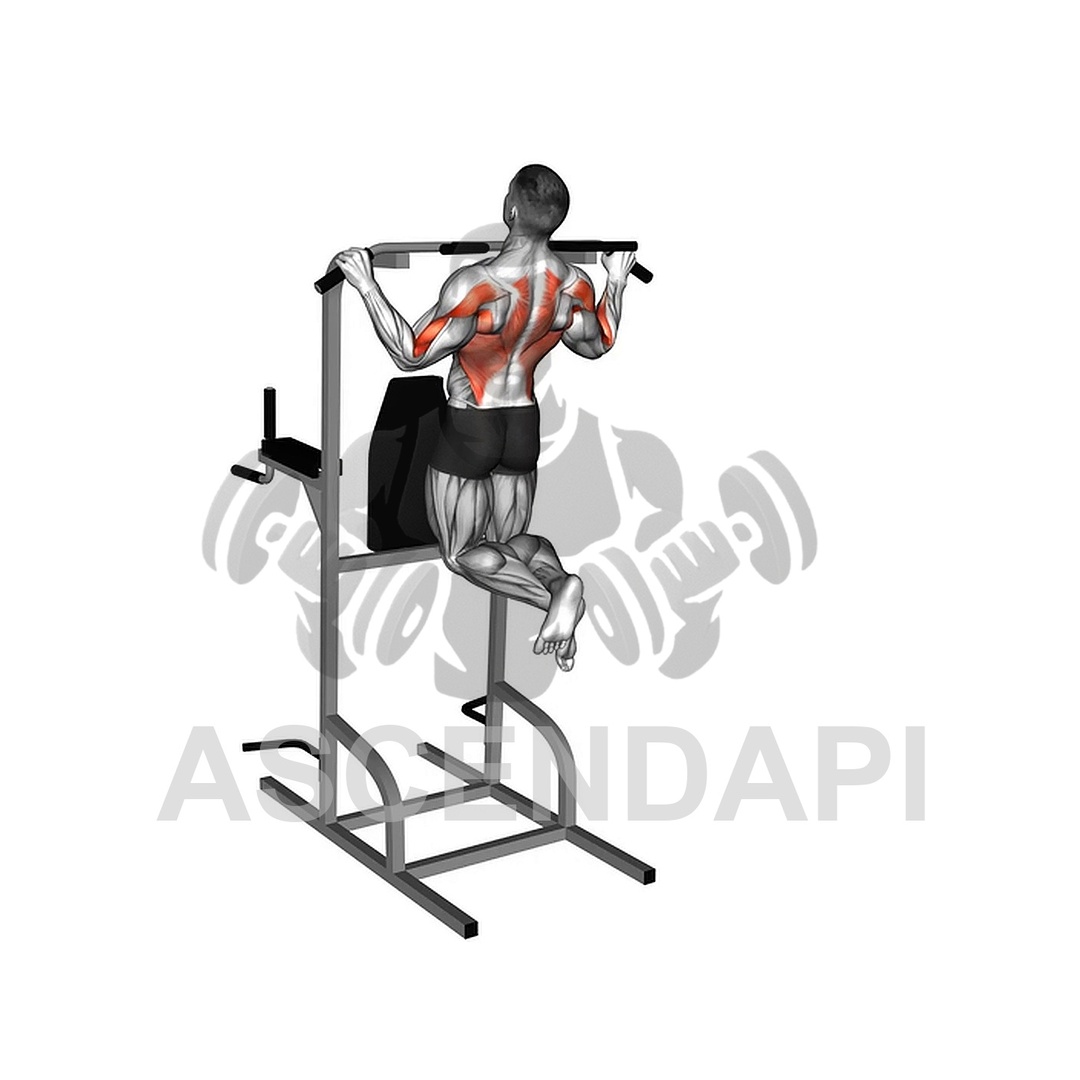
Neutral-grip pull-up

Purpose: Second lat exposure with bodyweight tension.
Quick tips:
- Begin from a dead or near-dead hang, then pull elbows down toward your sides.
- Use assistance if you cannot get clean sets of 6; add weight only after 10+ clean reps.
- Keep the chin-up finish honest without kicking or craning the neck.
Nippard cue: His backup for pulldowns is the neutral-grip pull-up because it gives high lat tension in the stretched position.
Dataset match: pull up (neutral grip) | equipment: body weight | target: lats | media ID: 0V2YQjW
Bayesian cable curl
No reliable open-license media is available for this exact variation yet.
Purpose: Biceps curl biased toward the stretched bottom position.
Quick tips:
- Set the cable around wrist height and step forward so the working arm sits slightly behind the torso.
- Keep the shoulder still; curl by bending the elbow, not by swinging the upper arm forward.
- Start with the weaker arm and match reps on the stronger side.
Nippard cue: His biceps pick uses the arm-behind-body setup to create a big stretch at the bottom of the curl.
Dataset match: cable curl | equipment: cable | target: biceps | media ID: G08RZcQ
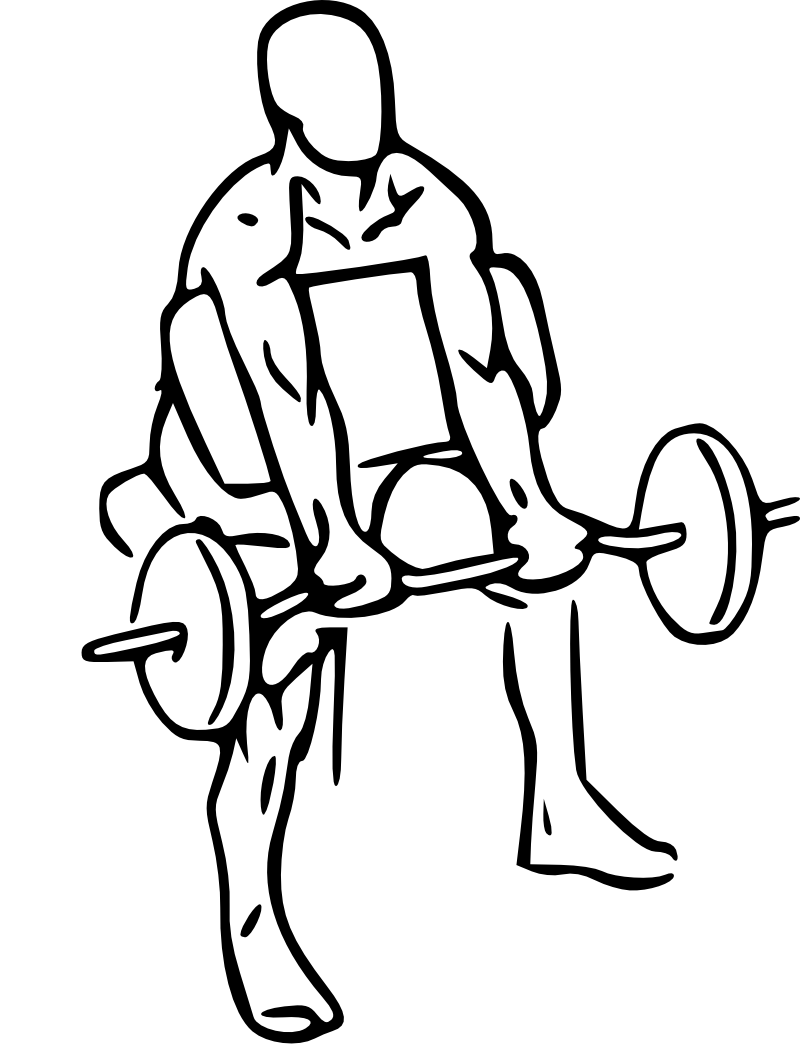
45 degree DB preacher curl

Purpose: Strict biceps finisher with tension near the bottom.
Quick tips:
- Set the preacher pad around 45 degrees and keep the upper arm planted.
- Lower slowly until the elbow is nearly straight, but do not relax at the bottom.
- Use higher reps and clean form; the pad should prevent cheating as fatigue builds.
Nippard cue: His backup curl locks the elbow down and loads the biceps hard near the stretched bottom position.
Dataset match: dumbbell seated preacher curl | equipment: dumbbell | target: biceps | media ID: 7D5bgLT
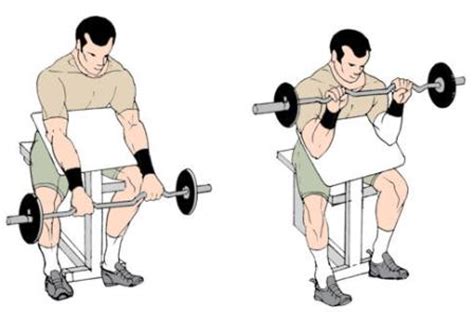
Reverse curl

Purpose: Forearms and brachialis without much joint stress.
Quick tips:
- Use dumbbells, EZ bar, or cable with palms down.
- Keep wrists straight and elbows tucked; stop before the shoulders roll forward.
- Treat it as controlled accessory work, not a max-load curl.
Nippard cue: His forearm recommendation is simple flexion/extension work, with reverse-curl style loading as an accessible option.
Dataset match: dumbbell standing reverse curl | equipment: dumbbell | target: biceps | media ID: 0IgNjSM
Day 3 - Lower / athletic legs
| Exercise | Sets | Reps |
|---|---|---|
| Hack squat | 3-4 | 6-10 |
| Romanian deadlift | 3 | 6-10 |
| Seated leg curl | 3 | 10-15 |
| Walking lunge or reverse lunge | 2 | 8-12/leg |
| Standing calf raise | 3 | 8-15 |
| Cable crunch | 2 optional | 10-15 |
Hack squat

Purpose: Quad-focused lower-body strength with machine stability.
Quick tips:
- Set feet where knees track comfortably and you can reach a deep, controlled bottom.
- Keep hips and back against the pad; drive through the midfoot.
- Use the stability to push hard while keeping reps smooth and consistent.
Nippard cue: He favors hack squats for quads because the setup is efficient, stable, and easy to push close to failure.
Dataset match: sled hack squat | equipment: sled machine | target: glutes | media ID: Qa55kX1
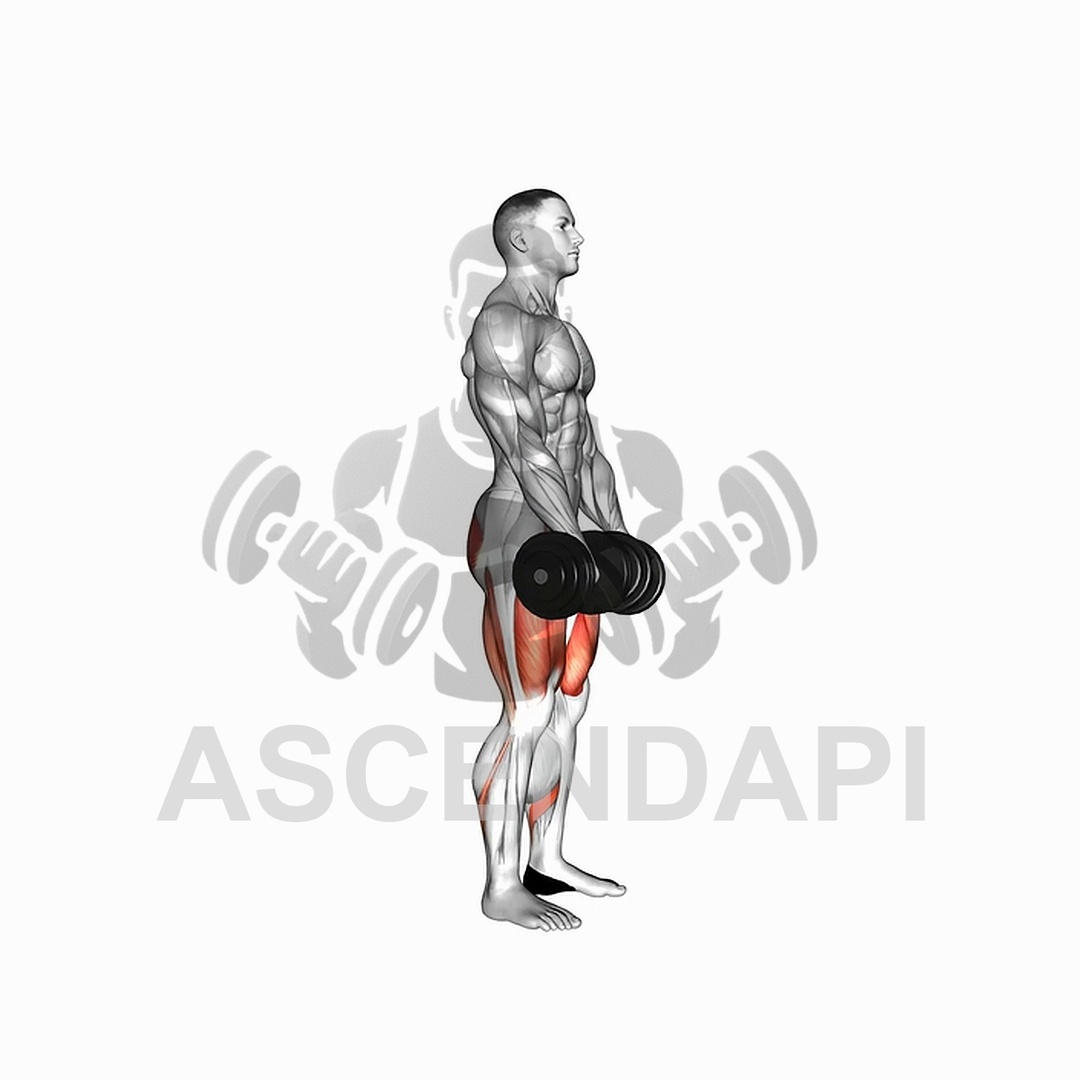
Romanian deadlift

Purpose: Posterior-chain work for hamstrings, glutes, and lower back.
Quick tips:
- Start tall, unlock knees, then push hips back while the bar stays close.
- Stop when hamstrings are deeply stretched and the back position is still solid.
- Progress slowly; keep reps crisp instead of chasing range through spinal rounding.
Nippard cue: He lists the RDL as the deadlift variation most similar to the good morning for posterior-chain activation.
Dataset match: barbell romanian deadlift | equipment: barbell | target: glutes | media ID: wQ2c4XD
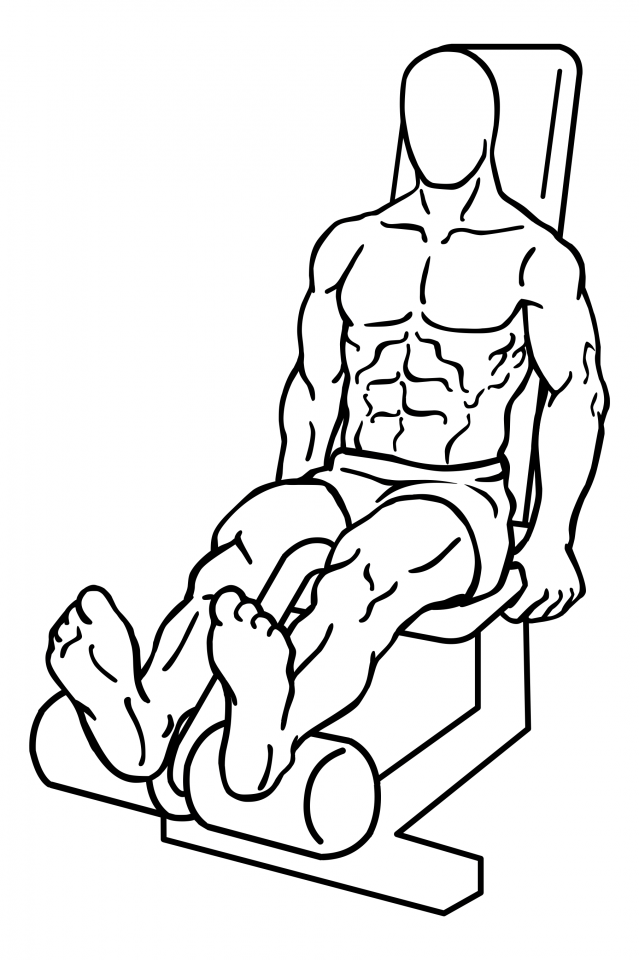
Seated leg curl

Purpose: Direct hamstring work from a lengthened position.
Quick tips:
- Set the machine so knees line up with the pivot and hips stay down.
- Lean slightly forward if the machine allows it to deepen the hamstring stretch.
- Control the eccentric and avoid bouncing out of the stretched top.
Nippard cue: His hamstring choice is the seated curl because upright sitting starts the hamstrings in a longer position than lying curls.
Dataset match: lever seated leg curl | equipment: leverage machine | target: hamstrings | media ID: Zg3XY7P
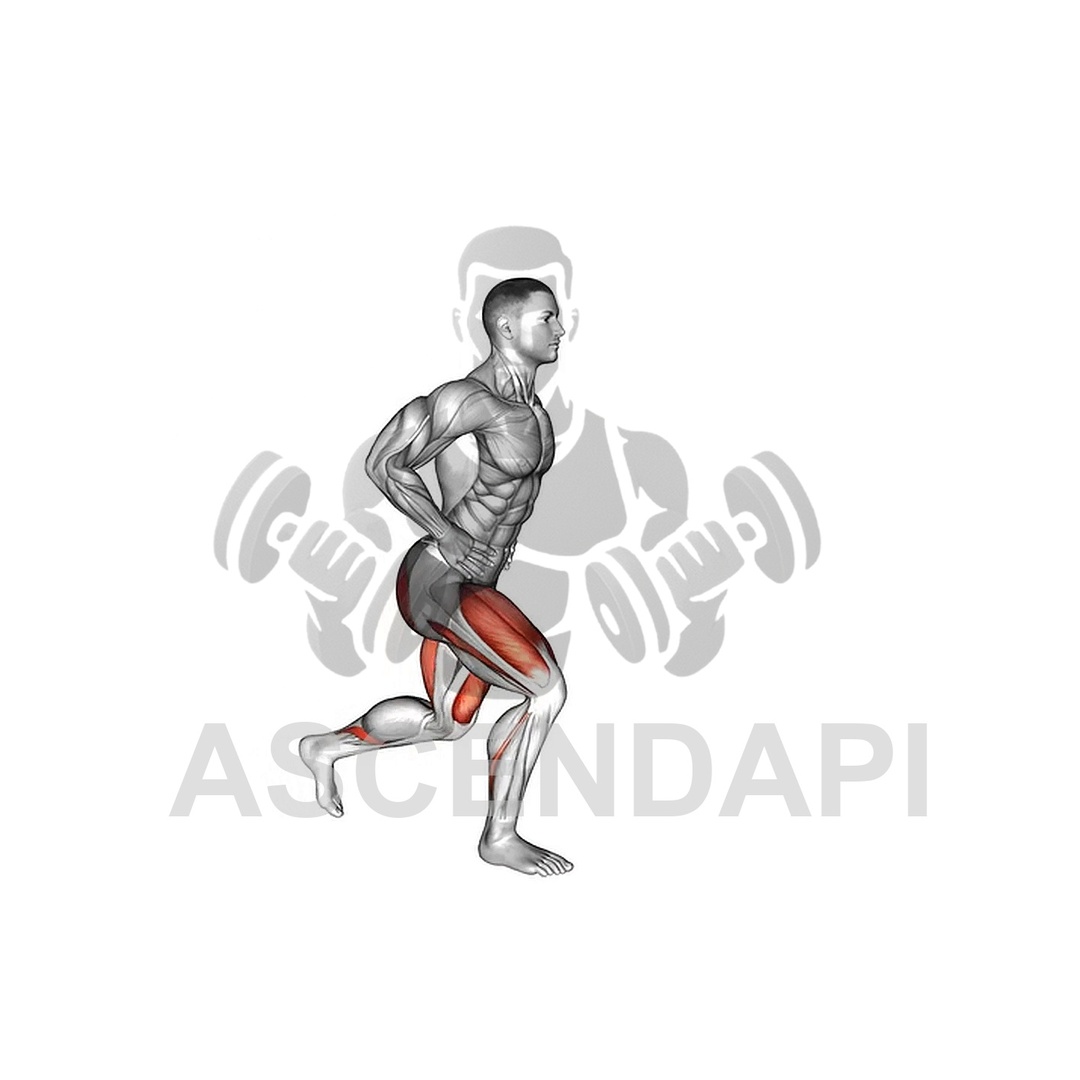
Walking lunge or reverse lunge

Purpose: Athletic single-leg work with glute and quad carryover.
Quick tips:
- Use medium to long steps when you want more glute stretch.
- Keep the front knee tracking over toes and the torso braced.
- Choose reverse lunges if walking lunges bother knees or crowded gym space gets in the way.
Nippard cue: He rates lunges highly for glutes because the bottom position loads the glutes while stretched.
Dataset match: walking lunge | equipment: body weight | target: glutes | media ID: IZVHb27
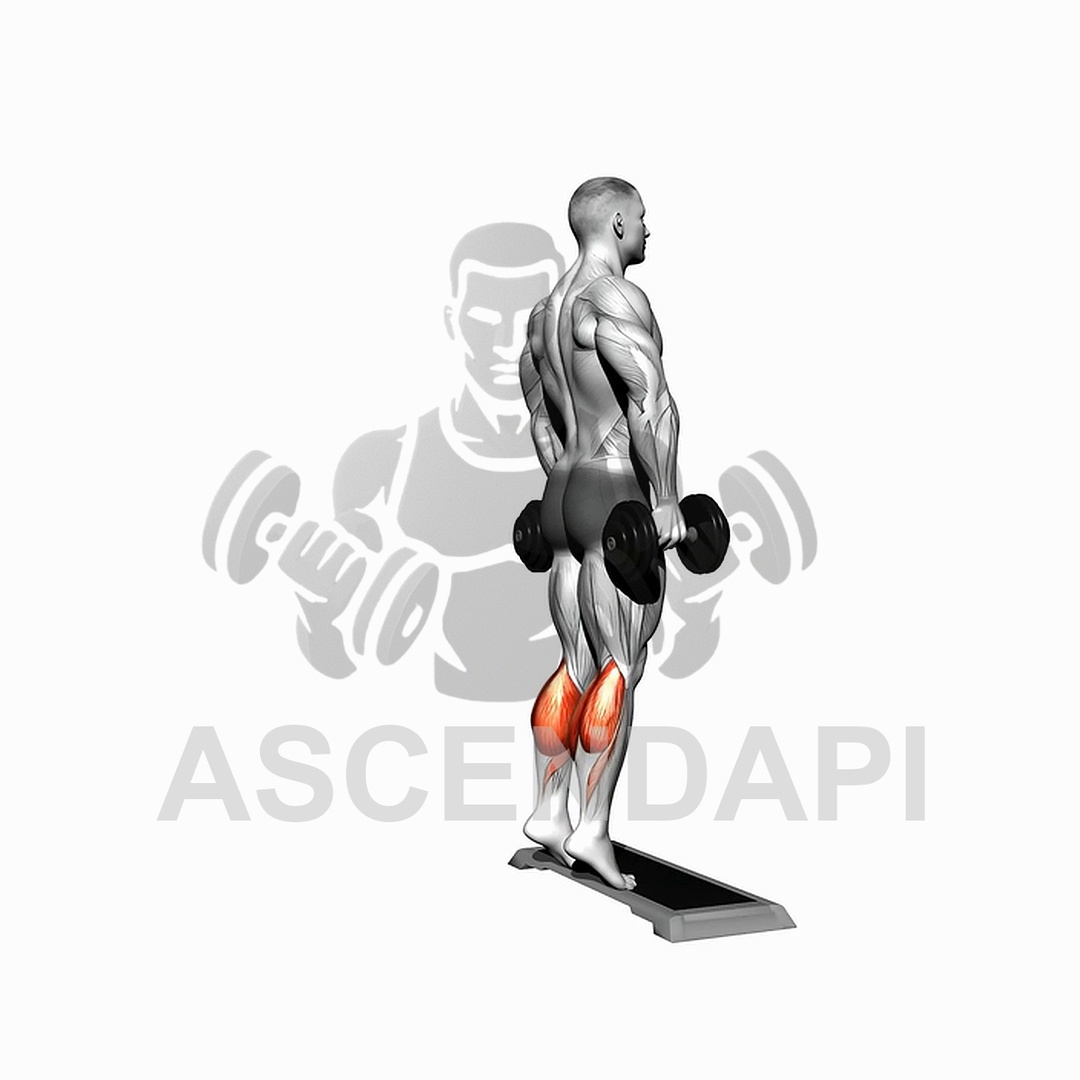
Standing calf raise

Purpose: Calf work biased toward the stretched bottom.
Quick tips:
- Use a full pause in the bottom stretch before each rep.
- Keep knees mostly straight and avoid bouncing through the Achilles.
- If calves lag, add lengthened partials in the bottom half after full reps.
Nippard cue: His calf pick is standing raises because the straight-knee position loads the calves in a deeper stretch.
Dataset match: lever standing calf raise | equipment: leverage machine | target: calves | media ID: ykUOVze
Cable crunch
No reliable open-license media is available for this exact variation yet.
Purpose: Loaded rectus-abdominis work that can be progressed.
Quick tips:
- Kneel far enough from the stack to feel tension at the top.
- Think ribs toward pelvis; round the spine instead of pulling with the arms.
- Pause hard at the bottom and return slowly to keep tension on the abs.
Nippard cue: He favors cable crunches for abs because they are easy to overload and train both stretch and squeeze when done deliberately.
Dataset match: cable kneeling crunch | equipment: cable | target: abs | media ID: WW95auq
Day 4 - Upper specialization / shoulders + lats + arms
| Exercise | Sets | Reps |
|---|---|---|
| Cable lateral raise | 4 | 12-25 |
| Neutral-grip close-grip pulldown | 3 | 8-12 |
| Incline dumbbell press | 2 | 8-12 |
| Chest-supported T-bar row | 2 | 10-15 |
| Overhead cable triceps extension | 2 | 12-20 |
| Bayesian cable curl | 2 | 12-20 |
| Standing calf raise | 2 optional | 10-20 |
Cable lateral raise

Purpose: Side-delt priority work for shoulder width.
Quick tips:
- Set the pulley around hand to mid-thigh height so tension is high near the bottom.
- Lead with the elbow, raise slightly out and forward, and stop around shoulder height.
- Use controlled reps, high reps, and short pauses; a wrist cuff can reduce forearm distraction.
Nippard cue: This is his top shoulder pick because the cable keeps tension on the side delt in the stretched position.
Dataset match: cable lateral raise | equipment: cable | target: delts | media ID: goJ6ezq
Reference demo: MuscleWiki cable low single-arm lateral raise demo
Neutral-grip close-grip pulldown

Purpose: Primary lat builder for the V-taper.
Quick tips:
- Use a close neutral attachment and start each rep with a full overhead stretch.
- Drive elbows down toward your ribs, not back behind you.
- Stay mostly upright; do not turn the bottom of the rep into a leaned-back row.
Nippard cue: His lat cue is to drive elbows down to keep emphasis on lats instead of drifting into mid-trap work.
Dataset match: twin handle parallel grip lat pulldown | equipment: cable | target: lats | media ID: rkg41Fb
Incline dumbbell press

Purpose: Upper chest press with a deep pec stretch.
Quick tips:
- Set the bench around 30-45 degrees and keep shoulder blades pinned back.
- Lower until the dumbbells sit just outside the upper chest, then press up and slightly in.
- Stop 1-2 reps shy of failure on most sets; avoid turning this into a shoulder-dominant press.
Nippard cue: Nippard likes incline dumbbells as the chest backup because they allow a deep pec stretch and bias the upper pecs without losing mid/lower pec work.
Dataset match: dumbbell incline bench press | equipment: dumbbell | target: pectorals | media ID: ns0SIbU
Chest-supported T-bar row

Purpose: Mid-back thickness without loading the lower back.
Quick tips:
- Set the chest pad so your torso is supported and your neck stays neutral.
- Pull elbows back and slightly out; squeeze shoulder blades without shrugging.
- Let the arms reach forward at the bottom while keeping the chest glued to the pad.
Nippard cue: This complements the lat work by adding stable upper-back volume without competing with RDL recovery.
Dataset match: lever t bar row | equipment: leverage machine | target: upper back | media ID: aaXr7ld
Overhead cable triceps extension

Purpose: Long-head triceps work in a stretched overhead position.
Quick tips:
- Face away from the stack, elbows high, ribs down, and upper arms mostly fixed.
- Let the hands travel behind the head for a strong stretch, then extend without flaring.
- Keep the load light enough that the elbows stay calm and the stretch stays controlled.
Nippard cue: His triceps choice is overhead cable extension because the overhead position heavily stretches the long head.
Dataset match: cable overhead triceps extension (rope attachment) | equipment: cable | target: triceps | media ID: 2IxROQ1
Bayesian cable curl
No reliable open-license media is available for this exact variation yet.
Purpose: Biceps curl biased toward the stretched bottom position.
Quick tips:
- Set the cable around wrist height and step forward so the working arm sits slightly behind the torso.
- Keep the shoulder still; curl by bending the elbow, not by swinging the upper arm forward.
- Start with the weaker arm and match reps on the stronger side.
Nippard cue: His biceps pick uses the arm-behind-body setup to create a big stretch at the bottom of the curl.
Dataset match: cable curl | equipment: cable | target: biceps | media ID: G08RZcQ
Standing calf raise

Purpose: Calf work biased toward the stretched bottom.
Quick tips:
- Use a full pause in the bottom stretch before each rep.
- Keep knees mostly straight and avoid bouncing through the Achilles.
- If calves lag, add lengthened partials in the bottom half after full reps.
Nippard cue: His calf pick is standing raises because the straight-knee position loads the calves in a deeper stretch.
Dataset match: lever standing calf raise | equipment: leverage machine | target: calves | media ID: ykUOVze
Progression Notes
- For 6-10 rep lifts: keep the same load until you can hit 10 reps on all sets with clean form, then increase load next time.
- For 10-15 and 12-20 rep lifts: add reps until you reach the top of the range, then make the smallest practical load jump.
- For lateral raises and calves: clean control matters more than load. Use pauses and lengthened partials before big jumps.
- For elbows: if pull-ups, curls, and triceps extensions stack up badly, reduce optional arm work before reducing lat or side-delt work.
Sources
- Local PDF:
muscle-ladder-nippard.pdf, paraphrased for exercise-selection and technique cues. - Exercise metadata:
exercise-assets-src/data/exercises.jsonfrom https://github.com/hasaneyldrm/exercises-dataset. - Exercise media: local files in
assets/workout-guide/, sourced from AscendAPI where a defensible match exists, local generated media where third-party media cannot be redistributed, and wger for remaining exact/closer references. Seeassets/workout-guide/ATTRIBUTION.mdfor per-file source details.